Baker Street bulky waste removal services in Marylebone
Posted on 27/04/2026
Baker Street Bulky Waste Removal Services in Marylebone: A Practical Local Guide
If you live, work, or manage property near Baker Street, bulky items have a habit of showing up at the wrong time. A sofa that will not fit through the stairwell, a broken wardrobe after a move, office furniture that needs replacing, or a pile of old renovation materials can quickly become a space problem. Baker Street bulky waste removal services in Marylebone are designed to solve exactly that: safe, efficient collection of large items that are awkward, heavy, or simply too much for a normal bin run.
This guide explains how bulky waste removal works, what you can expect in Marylebone, and how to choose the right service for your situation. You will also find practical tips, compliance guidance, and a clear checklist to help you avoid the common mistakes that cause delays and unnecessary stress.
For a wider overview of service options, you may also find the services overview useful, especially if your bulky waste is part of a broader clearance project.
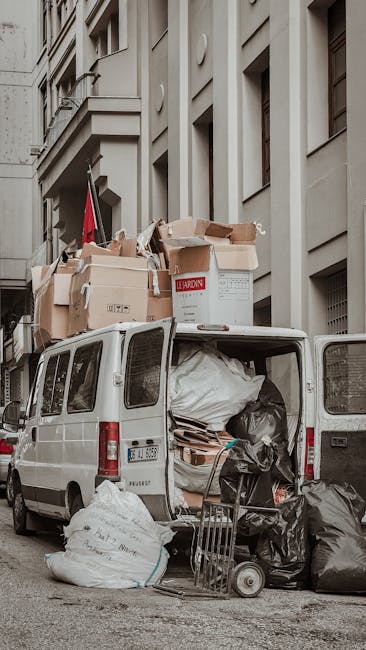
Why Baker Street bulky waste removal services in Marylebone Matters
Baker Street sits in one of Marylebone's busiest and most recognisable parts of London. That matters because bulky waste is rarely convenient in a place with controlled access, narrow pavements, resident parking pressure, concierge-managed buildings, and regular foot traffic. A few extra chairs, mattresses, old desks, or dismantled shelving can create a real issue if they are left waiting in a hallway, loading bay, or front garden for too long.
In practical terms, bulky waste removal is not just about getting items out of sight. It is about restoring usable space quickly, reducing trip hazards, keeping communal areas tidy, and making sure waste is handled in a way that matches local expectations. In dense urban streets, leaving large items outside without arranging prompt collection can cause complaints, obstruction, or weather damage to the items themselves. None of that helps.
For residents who are moving, refurbishing, downsizing, or clearing inherited belongings, bulky item removal often becomes part of a larger plan. If that sounds familiar, the article resident tips on living well in Marylebone gives helpful context about the area and the practical realities of local living.
Expert summary: bulky waste removal is most valuable when you need items gone safely, quickly, and without turning a small logistical problem into a full-day ordeal.
How Baker Street bulky waste removal services in Marylebone Works
Most bulky waste removal jobs follow a simple pattern, though the details vary by provider and by the type of waste involved. A good service will start by understanding what needs removing, where it is located, and whether any access issues need to be planned around. That might include stairs, lifts, controlled entry, limited parking, or the need to move items from a rear mews, basement, or upper-floor flat.
From there, the service is usually arranged in one of three ways:
- Photo-based quote or rough estimate for straightforward loads such as a mattress, sofa, or a few large items.
- On-site assessment when access is complex, volumes are unclear, or mixed waste needs sorting.
- Scheduled collection window for larger or coordinated removals, often useful for refurbishments or end-of-tenancy clear-outs.
On the day, the team normally loads the items, checks whether anything should be separated for reuse or recycling, and removes the waste from the property or kerbside. In professional operations, the service should also consider sorting and disposal routes rather than treating every item as a single mixed load. If the bulky waste is part of a renovation, builders waste disposal in Marylebone may be the more suitable route.
When a removal involves furniture, many households also benefit from pairing it with furniture disposal in Marylebone, especially if the job includes broken beds, wardrobes, tables, or office desks.
Key Benefits and Practical Advantages
Bulky waste removal is popular for a reason. It solves a problem that is inconvenient, physical, and often time-sensitive. The strongest benefits tend to be practical rather than glamorous, which is exactly what you want from a service like this.
- Less physical strain: large items can be awkward and unsafe to move without proper handling.
- Faster turnaround: a collection service can clear space much more quickly than trying to manage disposal alone.
- Better for tight properties: Baker Street and wider Marylebone often involve stairs, basements, and limited access.
- Cleaner results: professional removal reduces the risk of leaving debris, fragments, or loose fittings behind.
- Improved recycling potential: some items can be separated for reuse or material recovery.
- Lower stress during moves or refurbishments: one fewer moving part matters when timings are already tight.
There is also a quieter benefit: peace of mind. You know the bulky item is being dealt with, not "temporarily" parked near the doorway for three days. Everyone has seen that scene. It rarely becomes less annoying with time.
If you are comparing services, it is worth reading about waste removal in Marylebone alongside the more specific bulky waste option. That helps you decide whether you need a single-item pickup, a mixed-load clearance, or a broader tidy-up.
Who This Is For and When It Makes Sense
Bulky waste removal near Baker Street is useful for a surprisingly wide range of people. The obvious examples are residents moving out or replacing furniture, but the real picture is broader.
Typical users include:
- Flat owners and tenants clearing old sofas, wardrobes, or mattresses.
- Landlords and letting agents between tenancies or after property damage.
- Homeowners dealing with long-postponed loft, garage, or spare-room clutter.
- Office managers replacing desks, filing cabinets, or reception furniture.
- Contractors and renovators needing a prompt clear-out of bulky leftover materials.
- Estate executors or family members handling sensitive house or flat clearances.
It makes sense whenever the item is too large, heavy, or awkward for standard household disposal. A single sofa can be enough to justify collection. So can a combination of smaller bulky items that collectively create a lot of obstruction. If the job involves a complete property, a house clearance in Marylebone may be a better fit than a one-off pickup.
Businesses near Baker Street often need removal after refurbishments, relocations, or office reshuffles. In those cases, office clearance in Marylebone can be more efficient than arranging several separate collections.
Step-by-Step Guidance
If you want the smoothest possible experience, treat the removal as a short project rather than a spontaneous call. A little planning usually pays off.
- List every item you want removed. Be specific. "Three dining chairs, one two-seater sofa, one dismantled desk" is much more useful than "some bits."
- Check access for stairs, lift size, entry codes, loading restrictions, and parking distance.
- Separate anything reusable if you plan to donate, resell, or keep it. The waste team should not have to guess.
- Take photos of the items and the route out of the property. This helps with quoting and planning.
- Ask how waste will be handled so you understand whether recycling, reuse, or disposal routes are available.
- Confirm timing if the collection needs to align with movers, decorators, or building management.
- Clear the path before the team arrives. Moving a stack of boxes away from a blocked doorway can save awkward delays.
As a rule, the better you can describe the job, the cleaner the quote and the smoother the removal. If you are still unsure what service level you need, the page on choosing the right rubbish removal solution is a sensible starting point.
Expert Tips for Better Results
In our experience, the best bulky waste removals are the ones where a few small decisions are made early. That is especially true in Marylebone, where access and timing can be as important as the waste itself.
- Measure large items before collection day. A quick tape measure check can prevent surprises at stairwells and door frames.
- Ask about dismantling. Some furniture is easier and safer to remove if partially broken down first.
- Use photos, not descriptions alone. A picture of a wardrobe or sofa tells the story faster than a paragraph.
- Coordinate with building management. Some blocks have loading rules, lift booking systems, or restricted disposal areas.
- Keep wet or dirty items separate. If something is soaked, damaged, or contaminated, mention it early so the team can plan accordingly.
- Bundle related tasks together. If you are also clearing loft items, old garden pots, or mixed junk, combining jobs can be more efficient.
If you are dealing with mixed waste after outdoor work, a dedicated garden waste removal service in Marylebone may be helpful alongside bulky item collection.
Small tip that saves time: leave doors unlocked only if that is safe and agreed in advance. Otherwise, the collection team spends its first few minutes waiting at the threshold like a very patient delivery driver.
Common Mistakes to Avoid
Bulky waste removal is straightforward when organised properly, but several avoidable mistakes come up again and again.
- Leaving everything to the last minute: this often creates access problems, rushed decisions, and higher stress.
- Underestimating volume: one sofa can be manageable; a sofa, mattress, armchair, and broken cabinet may need a different arrangement.
- Forgetting access restrictions: Baker Street and surrounding Marylebone streets are not ideal places to discover you cannot stop outside the building.
- Assuming all items are handled the same way: bulky waste can include reusable items, recyclable materials, and items that need special care.
- Not checking insurance or professionalism: if a team is carrying heavy items through communal areas, you want confidence they understand safe handling.
- Mixing unrelated waste streams without warning: furniture, builders waste, and green waste may need different handling.
A careful provider will help you spot these issues in advance. If you are comparing approaches, the information on insurance and safety is worth reviewing before you book.
Tools, Resources and Recommendations
You do not need specialist equipment to prepare for bulky waste removal, but a few basic tools make the process much easier.
| Tool or resource | Why it helps | Best use case |
|---|---|---|
| Tape measure | Confirms whether items or corridors will pose access issues | Furniture, appliances, bed frames |
| Phone camera | Lets you document the waste load and access route | Quotes, planning, complex collections |
| Marker labels | Helps identify items to keep, donate, or remove | Multi-room clearances |
| Basic gloves | Useful for sorting small loose items safely | Lofts, sheds, storage rooms |
| Building access notes | Reduces delays at concierge desks or shared entrances | Apartment blocks, managed properties |
On the information side, local area pages and related service pages can help you decide whether a simple pickup or a broader clearance is the better fit. For general context about the neighbourhood and local life, this Marylebone area guide is a useful companion read.
For people who want to understand pricing in more detail before they request a quote, pricing and quotes is the obvious next stop.
Law, Compliance, Standards, or Best Practice
Bulky waste removal in the UK should be handled with care and in line with normal waste-duty expectations. Without overcomplicating it, there are a few sensible principles to keep in mind.
First, waste should be collected and transported by a provider that follows proper legal and environmental standards. Second, items should be disposed of responsibly, with recycling or reuse considered where appropriate. Third, if you are leaving waste in a shared space, hallway, pavement area, or front garden, you should avoid creating an obstruction or a safety hazard. In managed buildings, there may also be property rules about where waste can be placed and when it can be collected.
For businesses, the expectations are generally stricter because office waste, furniture, and refurbishment debris can involve record-sensitive materials or health and safety concerns. If in doubt, ask how the provider handles segregation, transport, and disposal documentation. A careful company will be comfortable answering those questions plainly.
It is also sensible to check that payment, policy, and service terms are clear before booking. The pages on payment and security and terms and conditions help set expectations in advance. If sustainability matters to you, review the provider's approach to recycling and sustainability as well.
Options, Methods, or Comparison Table
Not every bulky waste job needs the same solution. The right choice depends on quantity, access, item type, and how quickly you need the space back.
| Option | Best for | Strengths | Limitations |
|---|---|---|---|
| Single-item collection | One sofa, mattress, wardrobe, or similar item | Simple, quick, usually easy to arrange | Less efficient for mixed loads |
| Bulky waste pickup | Several large items from one property | Practical balance of speed and convenience | May not suit extensive clearances |
| House clearance | Multiple rooms or full-property clear-outs | Comprehensive, organised, efficient | More detailed planning required |
| Office clearance | Business furniture, stock, or equipment | Good for commercial changeovers | Often needs coordination with building access |
| Builders waste removal | Renovation debris, plasterboard, timber, packaging | Matches construction-related waste streams | Less suitable for general household items |
If your load is mostly old furniture, furniture disposal in Marylebone may be the most efficient route. If the items are mixed and the property needs a broader reset, consider waste clearance in Marylebone instead.
Case Study or Real-World Example
Consider a typical Baker Street flat during a move-out. The tenant has a three-seater sofa, a broken coffee table, two dining chairs, an old mattress, and a dismantled bed frame. The lift is small, the building has a narrow entrance, and the property manager wants the common areas left clear by mid-morning.
In a case like that, bulky waste removal works best when the items are grouped in advance, access is checked ahead of time, and the collection team knows whether any of the furniture needs to be carried down stairs. The main challenge is not usually the items themselves. It is the combination of timing, access, and making sure the job does not interfere with neighbours or building operations.
With a well-organised service, the tenant gets the flat cleared, the building remains tidy, and the handover can proceed without the kind of awkward last-minute scramble that makes everyone look at the clock. If the property also has a loft or storage space to empty, a loft clearance in Marylebone can be a logical add-on for deeper decluttering.
Practical Checklist
Use this quick checklist before booking your collection.
- Identify every item that needs removing.
- Measure any oversized furniture or awkward pieces.
- Check lift size, stairs, and access restrictions.
- Confirm whether parking or loading space is available.
- Separate items you want to keep, donate, or sell.
- Take photos if the load is difficult to describe.
- Ask whether recycling or reuse is part of the service.
- Confirm the collection time and any building rules.
- Review payment terms before the job begins.
- Make sure the path out of the property is clear.
Quick rule of thumb: if the item is heavy, awkward, or likely to block a hallway, it is usually worth arranging removal rather than trying to improvise on the day.
Conclusion
Baker Street bulky waste removal services in Marylebone are at their best when they combine speed, practical planning, and responsible handling. Whether you are clearing one large sofa or dealing with multiple items from a flat, office, or renovation project, the goal is the same: remove the clutter without creating extra disruption.
The smartest approach is to define the load clearly, think about access early, and choose the service type that matches the job rather than guessing. That saves time, reduces stress, and makes the whole process feel much more manageable. If you want a broader perspective on local services and what may suit your property, the about us page can help you understand the company behind the collection, while rubbish clearance in Marylebone is a useful next step for general clearance needs.
Get a free quote today and see how much you can save.

 Tipper Van - Rubbish Clearance and Waste Collection Prices in Marylebone, W1
 Luton Van - Rubbish Clearance and Waste Collection Prices in Marylebone, W1


