Bulky furniture disposal options in Marylebone today
Posted on 14/05/2026
Bulky Furniture Disposal Options in Marylebone Today: A Practical Local Guide
If you are staring at a sofa that will not fit through the hallway, a wardrobe that has seen better days, or a bed base that has become a very expensive obstacle, you are not alone. Bulky furniture disposal options in Marylebone today are a common need, and they tend to arrive at the worst possible moment: moving day, a refurb, a tenancy handover, or the day after you realise the spare room has quietly become a storage cupboard. The good news? There are sensible ways to get rid of large items without turning the job into a weekend-long headache.
This guide walks through the practical choices, what each one suits, how the process usually works, and the little things people often miss until they are halfway down the stairs. If you want a fuller picture of how local services fit together, it also helps to look at the broader waste collection services available in Marylebone and the dedicated furniture disposal service for larger household items.
We will keep it straightforward. No fluff. Just the kind of guidance that helps you choose the right route, save time, and avoid awkward surprises.

Why Bulky furniture disposal options in Marylebone today Matters
Large furniture is not the same as ordinary rubbish. It is awkward to move, often heavy, and sometimes made from mixed materials that need sorting before disposal. In a place like Marylebone, where many homes are period buildings, mansion flats, or compact apartments with narrow staircases, the challenge is usually not just the item itself. It is the route out of the property. Tight landings, limited lift access, shared entrances, and parking pressure can turn a simple task into a logistical puzzle.
That is why it makes sense to think about disposal as a process rather than a one-off dump. A sofa might be reusable, recyclable, or simply ready for responsible removal. A wardrobe could be dismantled and carried out safely. A mattress may need specific handling because it can't just be tossed into the nearest skip and forgotten about. Truth be told, a lot of people only discover these complications when the item is already blocking the room.
It also matters because furniture disposal sits at the intersection of convenience, safety, and environmental responsibility. Dumping items improperly can create fines, waste shared space, and stress your neighbours. Choosing the right method keeps things moving and usually feels much calmer, even if the room is still a bit of a mess for ten minutes before collection. And yes, that final cleared corner can feel surprisingly satisfying.
Expert takeaway: the best disposal option is rarely the cheapest on paper. It is the one that fits the item, the access, the timing, and the level of effort you want to spend.
For households dealing with a full property clear, it can also be worth reading about house clearance in Marylebone, especially where bulky furniture is only one part of a larger move or declutter.
How Bulky furniture disposal options in Marylebone today Works
In practical terms, bulky furniture disposal usually follows a fairly simple pattern. You identify the items, check access, decide whether they are reusable or only suitable for disposal, and then choose the right collection route. The main question is not "Can it be removed?" but "What is the least stressful and most responsible way to remove it?"
Here is how it often works in real life:
- You list the items and note approximate size, weight, and condition.
- You check access such as stairs, narrow hallways, parking restrictions, or lift availability.
- You decide the disposal route based on time, budget, and item condition.
- You arrange collection or drop-off, depending on the method chosen.
- The items are lifted, loaded, and removed with the aim of recycling or reuse where possible.
Most people are comparing a handful of options: reuse through donation, selling privately, self-transport to a reuse or disposal point, or booking a local collection service. Each path has a different amount of effort attached. Selling a solid oak dresser might make sense if you have time and patience. A broken recliner with a busted frame? Not so much. Let's face it, some furniture has already had its final chapter.
In Marylebone, speed often matters as much as price. Tenancy turnovers, refurbishment deadlines, end-of-lease clearances, and estate agent viewings do not wait politely. That is where a responsive collection service can be useful, especially where access is awkward or the items are too bulky to move safely without a second pair of hands.
Key Benefits and Practical Advantages
The right disposal method can save far more than time. It can reduce the physical strain of moving large items, lower the risk of hallway damage, and help keep the process tidy from start to finish. If you have ever tried to turn a double wardrobe around a corner in a Victorian terrace, you will know exactly why planning matters.
- Less disruption: a scheduled collection avoids the stop-start problem of trying to manage disposal over several days.
- Safer lifting: bulky furniture can be awkward and risky to carry without proper help.
- Better access handling: experienced teams are used to stairs, tight entrances, and tricky loading areas.
- Cleaner results: responsible disposal means items are removed in one go, not left outside for "later".
- More sustainable outcomes: reusable or recyclable items can be diverted from landfill where possible.
There is also a practical mental benefit that people underestimate. Once a large item leaves the property, the room looks bigger, calmer, and easier to use. That matters whether you are preparing a rental flat for new tenants or trying to reclaim a bedroom that currently serves as a storage annex. Small win, but a real one.
If you care about greener disposal choices, it is worth exploring the company's approach to recycling and sustainability. For many homeowners and landlords, that is no longer a side issue. It is part of how people choose services now.
Who This Is For and When It Makes Sense
Bulky furniture disposal is not just for people with a van-sized problem. It is useful for a wide range of situations, and the reasons can be surprisingly ordinary.
- Homeowners replacing old sofas, beds, dining sets, or wardrobes.
- Renters clearing furnished flats before moving out.
- Landlords and letting agents dealing with abandoned or damaged items between tenancies.
- Property buyers who inherit bulky furniture from previous occupants and want a clean start.
- Interior designers and renovators removing items before new layouts or refurbishments.
- Office managers disposing of desks, chairs, storage units, or reception furniture during a workspace update.
It makes sense when the item is too large for normal bin collection, too heavy to move alone, or simply no longer worth keeping. It also makes sense when time is tight. If you are moving in 48 hours, you probably do not want to spend the evening taking a broken sofa apart with a screwdriver and a lot of mild regret.
People often also discover that disposal is needed after a more complex change, such as buying or selling property. In those cases, a local perspective helps. The articles on property purchasing in Marylebone and smart moves for Marylebone real estate show how closely property decisions and clearance planning can go together.
Step-by-Step Guidance
If you want a smoother experience, treat disposal like a small project. Not a drama. Just a project.
1. Identify what needs to go
Walk through the space and separate items into categories: keep, donate, sell, recycle, and dispose. Be honest. That half-dismantled coffee table in the corner is probably not becoming a restoration project any time soon.
2. Measure the furniture and the route out
Measure the item, then check door widths, stair turns, and lift sizes. This is one of those boring steps that prevents a lot of misery. In compact Marylebone properties, it can be the difference between a quick lift-out and a very awkward half-hour of manoeuvring.
3. Decide whether it can be reused
If a piece is clean, usable, and structurally sound, it may be suitable for resale or donation. If it is broken, heavily stained, or unsafe, disposal is usually the better call. Some items sit in the middle, and that is fine too. Not every object deserves a second life.
4. Choose your collection method
Depending on your timeline and the condition of the furniture, you may opt for a local collection service, a house clearance service, or another waste removal route. For larger or mixed clearances, many people find a combined service more efficient than managing each item separately.
5. Prepare the furniture for collection
Remove personal items, empty drawers, detach loose cushions, and, where possible, dismantle large items to make lifting safer. Tape down loose doors or drawers so nothing swings open halfway down the stairs. It sounds simple, but it helps.
6. Make access as easy as possible
Clear the path, protect walls if needed, and reserve space near the entrance if practical. If your building has a concierge, porter, or specific loading rules, make sure everyone knows the plan beforehand.
7. Confirm the collection details
Double-check timing, access instructions, and payment arrangements. A quick call or message before the slot can save a lot of confusion. People underestimate this part all the time.
Expert Tips for Better Results
A few small habits can make the whole job easier, safer, and usually cheaper.
- Bundle disposal where possible: if you have more than one item, it can be more efficient to arrange removal together rather than in separate trips.
- Sort by material: wood, metal, upholstery, and mixed material items may not follow the same disposal path.
- Check for reusable parts: detachable legs, clean cushions, and hardware can sometimes be separated from the main item.
- Keep the route clear: a few minutes spent moving plants, rugs, or side tables can prevent scratches and delays.
- Be realistic about DIY lifting: if the item needs two or more people, get help. A strained back is not a noble achievement.
One practical tip that often gets missed: photograph the items before removal. It sounds minor, but it can help you compare quotes, confirm what is being collected, and keep a simple record if you are managing a tenant or property handover. Handy little habit.
If your project is part of a larger clearance, the office clearance service in Marylebone can also be useful for desks, chairs, and filing units that need coordinated removal rather than piecemeal disposal.
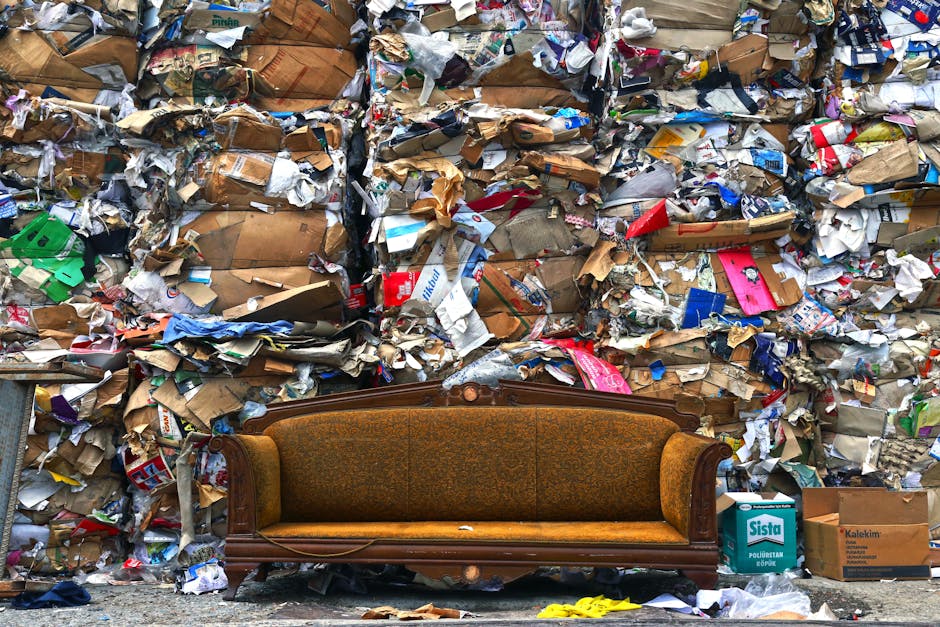
Common Mistakes to Avoid
Most furniture disposal problems are avoidable. They are usually caused by rushing, poor measurement, or assuming every item can be handled in the same way.
- Leaving it until the last minute: this narrows your choices and often raises stress levels.
- Forgetting access restrictions: parking, stairs, and loading rules can affect timing more than people expect.
- Mixing reusable items with general waste: that can reduce recycling opportunities.
- Trying to move heavy items alone: this is where accidents happen. No prize for doing it the hard way.
- Assuming the cheapest option is best: not always. A bargain that creates damage or delays is not really a bargain.
- Not checking item condition first: a broken frame, wet upholstery, or hidden infestation risk changes the plan.
Another common issue is forgetting about the building itself. In Marylebone, communal hallways, narrow stairwells, and older internal finishes mean you need to think about the property, not just the furniture. One misplaced corner can leave a mark that nobody wanted.
Tools, Resources and Recommendations
You do not need specialist gear for every job, but a few practical tools can make a real difference before collection day.
- Measuring tape for widths, stair turns, and lift access
- Strong gloves for handling rough edges or splintered timber
- Furniture straps or moving blankets for protection during transport
- Screwdrivers or Allen keys for dismantling items
- Dust sheets or cardboard for protecting floors and walls
- Marker pen and labels if you are separating items for reuse, sale, or disposal
From a service planning point of view, a few pages on the site are especially useful when you are working out the right route. The pricing and quotes page helps you understand how costs are typically approached, while waste collection in Marylebone gives a broader view of collection options across different waste types. If you are also dealing with building debris after renovation, the guide on rubble disposal solutions may be useful alongside furniture removal planning.
If you are dealing with larger or mixed items, it is also worth checking the company background and service approach via the about us page, especially if trust and reliability matter to you. And they usually do, to be fair.
Law, Compliance, Standards, or Best Practice
Furniture disposal in the UK should be handled responsibly, and the safest approach is to work with a provider that understands proper waste handling, transport, and disposal standards. For most householders, the key practical point is simple: do not leave large items in the street or communal areas unless you have arranged collection properly and know it is permitted.
It is also sensible to separate items that may need special handling. For example, damaged upholstery, electrical furniture, or contaminated items can require different treatment than ordinary wooden furniture. If a sofa or mattress is wet, infested, or badly damaged, mention that early. Hiding the issue does nobody any favours.
Good practice also includes checking that the service is insured, that lifting is carried out safely, and that there is a clear process for payment and job confirmation. If you are comparing providers, pages such as insurance and safety, payment and security, and terms and conditions are useful for understanding how the service is set up. That kind of transparency matters.
Privacy matters too, particularly if you are sharing access details, photographs, or contact information. The privacy policy and the accessibility statement are good indicators of how a website handles customer needs in a broader sense, beyond just the removal itself.
Options, Methods, or Comparison Table
Different disposal methods suit different situations. The trick is matching the method to the item and your timeline, rather than trying to force the furniture into the wrong solution.
| Option | Best for | Pros | Trade-offs |
|---|---|---|---|
| Reuse or donation | Clean, usable furniture | Potentially sustainable, useful for others | Needs time, acceptance is not guaranteed |
| Private sale | Good-quality items with value | Possible return, flexible timing | Messages, waiting, collection arrangements can be messy |
| Self-transport | People with suitable vehicle access and help | Direct control over timing | Labour-intensive, awkward in flats, physical risk |
| Local collection service | Bulky or awkward items, fast turnaround | Convenient, often quickest, suited to tight access | Usually costs more than doing it yourself |
| House or office clearance | Multiple items or full-room clearances | Efficient for larger projects, less coordination | May be more than you need for one item |
For many Marylebone residents, the choice comes down to convenience versus effort. A nearly new dining table may be worth selling if you have time. A broken sofa with no resale value? A collection service or clearance option is usually the sensible move. Simpler is often better.
Case Study or Real-World Example
Picture a typical Marylebone flat: second-floor access, narrow staircase, one lift that is too small for a large wardrobe, and a move-out deadline at the end of the week. The resident has a sofa bed, a wardrobe, and an old desk to remove before handover. There is no appetite for a long DIY project. Understandably.
Rather than trying to shift everything one item at a time, the better approach is to group the items, check the access route, and arrange a planned collection. The wardrobe is dismantled where possible, loose parts are bundled together, and the sofa is cleared of cushions and soft items before removal. The room is left empty in one visit, the hallway stays protected, and there is no last-minute scramble for a van.
That kind of scenario is common in Marylebone because housing is often compact and access is rarely generous. The lesson is pretty simple: the faster you identify the access challenge, the easier it is to choose the right disposal route. A bit of planning saves a lot of lifting.
For people moving in or out of the area, local context also helps. The article on Marylebone as a home gives a useful sense of everyday living conditions, while bulky waste removal near Baker Street offers a nearby local angle for readers in the central area.
Practical Checklist
Use this before you book anything. It keeps the job grounded and makes quotes more accurate.
- Identify every bulky item that needs removing
- Check whether each item is reusable, sellable, or disposal-only
- Measure the item and the exit route
- Note stairs, lifts, parking issues, and narrow halls
- Remove personal items from drawers or storage compartments
- Decide whether dismantling will make removal easier
- Take photos if you need to compare quotes or confirm items
- Check whether any item needs special handling
- Confirm collection time, access instructions, and contact details
- Clear the path so the removal team can work safely
Quick reality check: if you are still debating whether the sofa "might come in handy one day", ask yourself whether you would actually choose it again if you were starting from scratch. That answer tends to be very clarifying.
Conclusion
Bulky furniture disposal does not need to be complicated, but it does need to be handled with a bit of care. In Marylebone, where access can be tight and time often matters, the best results usually come from matching the disposal method to the item rather than trying to squeeze every piece into the same plan. Some furniture is worth reusing, some is worth selling, and some just needs to go without fuss.
The main thing is to think ahead: measure properly, protect the property, choose a trustworthy route, and avoid leaving awkward pieces until the very last minute. That simple discipline turns a stressful job into a manageable one. And once the room is clear, the difference is immediate. Airier. Calmer. Better.
If you are ready to take the next step, compare the available service details, check what suits your items, and choose the option that saves you the most hassle. Get a free quote today and see how much you can save.
Sometimes the cleanest part of a move is the moment something heavy finally leaves the room.
 Tipper Van - Rubbish Clearance and Waste Collection Prices in Marylebone, W1
 Luton Van - Rubbish Clearance and Waste Collection Prices in Marylebone, W1


