Fines for illegal dumping in Marylebone: what to expect
Posted on 29/07/2026
If you have ended up here because you are worried about a pile of rubbish outside a flat, a missed collection, or a neighbour's fly-tipping complaint, you are not alone. Fines for illegal dumping in Marylebone: what to expect is a question people usually ask when the situation has already become stressful. The good news? Once you understand how enforcement tends to work, what can trigger a penalty, and how to respond quickly, the whole thing becomes much less mysterious.
Marylebone is a busy, tightly managed part of London, and waste issues can escalate fast. One bag left by a bin store, one mattress dumped behind a wall, one builder's sack left "just for a minute" - that is often all it takes for a complaint. This guide walks through the practical side of illegal dumping fines in Marylebone, what usually happens next, and how to avoid making an expensive mistake in the first place.
For readers dealing with larger clear-outs, you may also find our guides on Westminster Council waste rules every Marylebone landlord needs and what to do about flytipping outside Marylebone shops useful alongside this article.
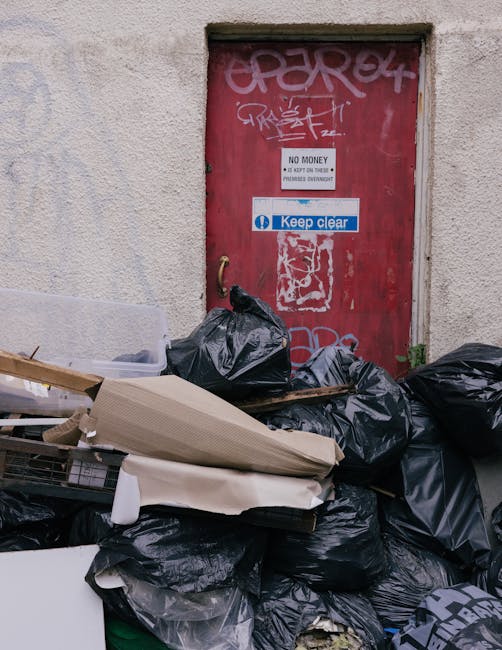
Why fines for illegal dumping in Marylebone matter
Illegal dumping sounds like a simple issue, but in practice it affects streets, pavements, business fronts, bin stores, shared courtyards and even the reputation of whole buildings. In Marylebone, where footfall is constant and many properties sit close together, rubbish left in the wrong place tends to be noticed quickly. That means complaints, photographs, and enforcement action can follow before anyone has had time to "sort it later".
What makes this matter so much is that fines are not only about the person who physically dropped the waste. Responsibility can extend to the person or business that arranged the disposal, the landlord in some situations, or the occupier who allowed waste to be left in an unsafe way. That is where people get caught out. They assume a warning is more likely, but enforcement can move straight to a fixed penalty or a more serious response depending on the facts.
To be fair, most people do not intend to dump waste illegally. It usually starts with convenience. A sofa is too heavy. A builder's skip is full. The collection missed the slot. The temptation is to "just leave it by the wall for now". In a dense area like Marylebone, that decision can be expensive very quickly.
There is also a wider property and neighbourhood angle. If you live locally, or are looking into the area, you will already know that well-kept streets are part of Marylebone's appeal. For a broader local feel, our article on Marylebone as a home: insights from locals gives useful context on why residents are often quite protective of shared spaces.
How fines for illegal dumping in Marylebone work
The exact enforcement route can vary, but the general pattern is fairly consistent. Someone reports waste, an enforcement officer or council team reviews the location, and if the material appears to have been dumped unlawfully, the responsible party may be identified through evidence such as packaging, labels, delivery records, CCTV, witness accounts, or repeated patterns of behaviour.
In practical terms, here is what you should expect:
- Inspection or evidence gathering: the area may be checked, photographed, and logged.
- Identification attempts: officers may look for names, addresses, invoices, or other clues inside the waste.
- Notice or penalty: depending on the circumstances, a fixed penalty notice or other enforcement action may follow.
- Escalation: if the matter is serious, repeated, or ignored, the consequences can become more severe.
One thing people often miss is that the disposal chain matters too. If you hired someone to remove rubbish and they dumped it illegally, you are not automatically off the hook. If you failed to check who you used, or accepted a suspiciously cheap offer, the problem can circle back. That is why proper paperwork, a clear scope of work, and a sensible provider matter so much.
For households and small businesses needing legitimate help with bulky items, routes such as waste collection in Marylebone, furniture disposal in Marylebone, or house clearance in Marylebone are often safer than trying to improvise. That may sound obvious, but it is usually the point where people save money and stress.
Let's face it: rubbish is one of those things that becomes urgent the minute it starts blocking a hallway, a shop frontage, or a shared entrance. The rule of thumb is simple - if waste cannot be stored, transported, or collected properly, do not leave it out in the open and hope for the best. That "hope" approach rarely ages well.
Key benefits and practical advantages
Understanding fines for illegal dumping in Marylebone is not just about avoiding punishment. It also helps you make better decisions about disposal, staffing, tenancy management, and property upkeep. When you know the risk, you can build a cleaner process around it.
- Fewer surprises: you know what can trigger enforcement and what behaviour is risky.
- Better budgeting: legitimate disposal often costs less than a fine plus cleanup plus disruption.
- Cleaner kerb appeal: especially important for landlords, shop owners and anyone managing shared entrances.
- Lower complaints: neighbours are far less likely to escalate concerns when waste is handled properly.
- Stronger record-keeping: invoices and collection notes help if questions arise later.
For landlords and agents, there is a real operational benefit here. A clear waste process cuts down on tenant confusion, missed collections and awkward conversations after the fact. For businesses, it helps protect opening hours and presentation. Nobody wants customers stepping over a rogue fridge on a Monday morning. Slightly dramatic, yes, but not far from reality in some streets.
If you are thinking more broadly about efficient disposal options, our page on services overview and the article on removal quotes and pricing in Marylebone can help you compare approaches without guesswork.
Who this is for and when it makes sense
This topic is relevant to more people than you might expect. It is not just for people who have already received a penalty. In Marylebone, the most common readers are usually:
- Homeowners dealing with household clear-outs, lofts, garages or bulky items.
- Renters who need to understand what they can and cannot leave near bins.
- Landlords and managing agents trying to reduce complaints and keep communal areas tidy.
- Shop owners and office managers responsible for frontage, back-of-house waste and staff behaviour.
- Builders and tradespeople moving rubble, packaging and site waste off narrow streets.
It also makes sense if you are planning a move, a renovation, or a clear-out. Once the waste starts piling up, every decision gets more expensive and less flexible. In that sense, reading about the rules before you need them is a quiet little win. Not glamorous, but very useful.
For larger or mixed waste loads, the following resources are worth a look: builders waste disposal in Marylebone, rubble disposal solutions, and skip alternatives for Marylebone flats. Those situations often create the exact conditions where fines happen if no plan is in place.
Step-by-step guidance
If you are dealing with a possible illegal dumping issue in Marylebone, move in a calm, practical order. Panicking rarely helps. Here is the approach we recommend.
- Document the scene. Take clear photos of the waste, the location, and any labels or identifying marks. Do this early, before anything is moved.
- Check whether the waste is yours. This sounds basic, but mixed-use buildings and shared bin stores can make things confusing. Ask who last used the area and whether anything was due for collection.
- Separate fact from assumption. A missed collection is not the same thing as illegal dumping. A contractor leaving material behind is also not the same as random fly-tipping by a stranger.
- Secure the area if needed. If waste is blocking access or attracting more dumping, make the space safer without moving evidence unnecessarily.
- Report through the proper route. Use the local process for suspicious dumping or repeat problems. Keep a note of the reference, date and time.
- Arrange lawful removal. Use a proper collection service if the waste needs to go quickly. The aim is to resolve the issue, not just make it vanish.
- Keep records. Retain collection notes, invoices, photographs and messages. If somebody later challenges what happened, this paper trail matters.
There is a small but important distinction here: removing waste properly does not automatically erase an earlier offence. If enforcement is already underway, you still need to deal with the underlying matter. But rapid cleanup can reduce further nuisance and show that you acted responsibly once aware.
For urgent, time-sensitive jobs, same-day support can be a sensible way to prevent a minor problem becoming a larger one. In a place like Marylebone, where bin stores can fill up quickly and neighbours notice everything, speed is often half the battle.
Expert tips for better results
After dealing with a fair few waste-related headaches, a few habits stand out. They are not complicated, which is exactly why they work.
- Use clear disposal instructions. If tenants, staff or contractors are involved, do not rely on "common sense". Spell out what goes where.
- Book collections before the mess builds up. Waiting until the passage is full is how people end up looking for a quick fix.
- Choose a provider carefully. If a quote feels unrealistically cheap, ask questions. Poor disposal practices often hide behind bargain pricing.
- Keep bulky items out of shared spaces. A mattress in a hallway can become a complaint in an hour.
- Match the service to the waste type. Builders' waste, garden cuttings and office clear-outs all need different handling.
One little insider point: many fines and disputes are not really about the waste itself. They are about the behaviour around it. A bag left where it should not be, a missed note to the porter, a contractor without proper arrangements - those are the things that create trouble. Not the big dramatic stuff, just the small messy bits.
If you need a practical route for specific item types, these may help: bulky furniture disposal options in Marylebone, urgent mattress disposal in W1U, and same-day rubbish collection near Marylebone Station.
Expert summary: if you want to avoid fines, do two things well - keep waste contained, and keep records. Most problems start when one of those slips.
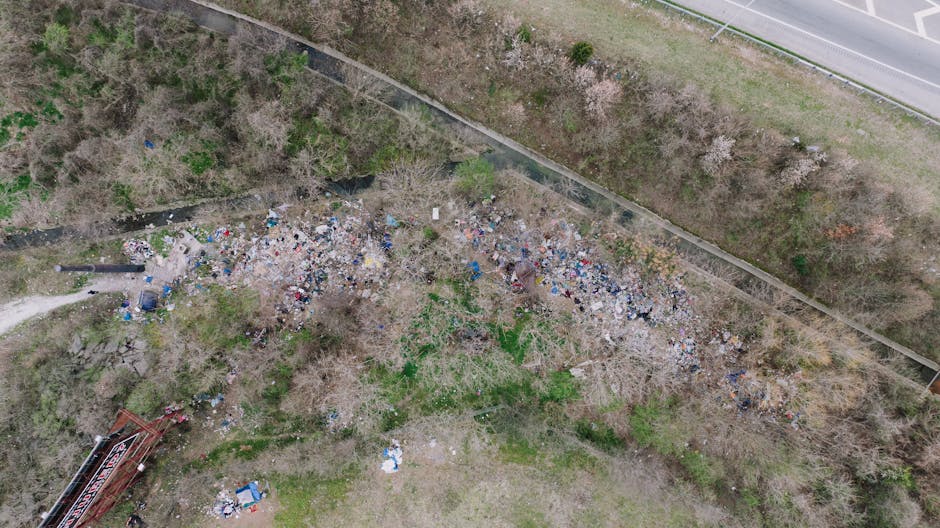
Common mistakes to avoid
A lot of trouble comes from people trying to be efficient in the wrong way. The intention may be fine, but the execution is off. That is the frustrating bit.
- Leaving waste beside a full bin and assuming it counts as a collection request.
- Using an unverified remover because the price is attractive and the job seems urgent.
- Mixing business and household waste without understanding the handling requirements.
- Assuming someone else will move it in a shared building.
- Ignoring recurring waste build-up until enforcement or complaints appear.
Another common one is the "we'll sort it tomorrow" approach. Tomorrow becomes next week, the weather turns damp, the bags split, and suddenly the smell is doing half the talking. Not ideal. The more exposed the waste, the more likely it is to attract attention - from residents, passers-by, and enforcement teams alike.
For landlords in particular, poor waste management can become a repeated administrative headache. If that sounds familiar, the article on Westminster Council waste rules every Marylebone landlord needs is a strong companion read.
Tools, resources and recommendations
You do not need a complicated toolkit to stay compliant. You just need a few sensible habits and some basic documentation. In fact, the simpler the system, the more likely people are to follow it.
- Phone photos: useful for logging waste conditions before and after removal.
- Collection notes and invoices: keep proof that waste was handled legitimately.
- Building instructions: a printed or digital note for tenants, staff, or contractors.
- Waste separation labels: especially helpful in offices, shops, and managed blocks.
- Regular pickup schedule: better than waiting for overflow and emergency clear-outs.
Where you need a trusted disposal pathway, a local service can be more practical than trying to improvise. The useful thing is not just removing rubbish; it is removing it in a way that fits the building, the street, and the type of material. That is where services such as office clearance in Marylebone, garden waste removal in Marylebone, and furniture disposal in Marylebone can be much easier than a DIY attempt.
For readers comparing suppliers, it also helps to understand basic operational standards. Our pages on insurance and safety, recycling and sustainability, and payment and security provide useful background on what a careful, transparent provider should be thinking about.
Law, compliance, standards and best practice
Without pretending to give legal advice, the key point is straightforward: waste must be stored, transferred and disposed of responsibly. In the UK, unlawful dumping can expose people to fines or other enforcement action, and local councils take a particular interest in repeated or obvious fly-tipping. In a place like Marylebone, where access is tight and shared spaces are common, the expectation is that waste will be handled with care and with proper planning.
Best practice usually means:
- using a responsible waste carrier or removal provider;
- keeping evidence of collections and disposal;
- making sure waste is not left on pavements or in communal areas;
- checking who is responsible for waste in a tenancy or building agreement;
- responding quickly to complaints before the problem spreads.
If you are a landlord, agent, business owner or contractor, the safest approach is to treat waste management as a routine compliance task, not an afterthought. That sounds a bit dry, granted, but it saves a surprising amount of grief.
For more detail on responsible business practices and company standards, you can also review the site's about us, terms and conditions, privacy policy, accessibility statement, and modern slavery statement. Those pages help build trust around how a service operates behind the scenes.
Options, methods and comparison table
If you are deciding how to deal with waste in Marylebone, it helps to compare the practical options side by side. The best choice depends on volume, urgency, item type, access, and how sensitive the location is. A small flat on a narrow street is not the same as a larger commercial unit, and anyone who has wrestled a wardrobe through a London stairwell knows that already.
| Option | Best for | Pros | Watch-outs |
|---|---|---|---|
| DIY disposal | Very small loads | Can be cheap if you already have transport | Time-consuming, risk of mistakes, and easy to get wrong |
| Scheduled waste collection | Regular household or business waste | Simple, predictable, helps keep records | Needs planning and clear storage |
| Bulky item removal | Furniture, mattresses, one-off clear-outs | Faster and safer for large items | Needs accurate quoting and access details |
| Builders' waste removal | Rubble, renovation debris, mixed site waste | Better suited to heavy, messy materials | Must be arranged properly to avoid overflow and complaints |
| House or office clearance | Larger clear-outs or end-of-tenancy situations | Efficient for multiple rooms or repeated waste types | Can be more complex if items are mixed or access is tight |
There is no universal winner here. A lot depends on the site, the timing and the amount of waste. If the risk of dumping or overflow is already high, a structured removal option is usually the safer bet.
Case study or real-world example
A small Marylebone office on a busy street needed to clear old chairs, packaging, and a few damaged filing cabinets after a refit. The team was tempted to leave items in the rear service area "until the next collection". Unfortunately, that area was shared, visible, and used by neighbouring businesses.
Within a day, another tenant complained. A contractor was brought in too late, the waste had already spread, and an awkward conversation followed about responsibility. It wasn't dramatic, just messy in the dull, bureaucratic way that costs time and patience.
The fix was simple once they stopped guessing: they booked a proper office clearance, documented the work, and made sure future removals were scheduled before the space filled up. The key lesson? The fine risk was not just about the waste itself. It was about leaving the situation unmanaged.
That pattern shows up again and again. Whether it is furniture, rubble, office stock, or household clutter, the sooner you create a lawful disposal plan, the less likely you are to end up paying for the mistake later.
Practical checklist
Use this quick checklist if you are dealing with rubbish, shared bins, or a potential dumping issue in Marylebone.
- Have I identified who owns or controls the waste?
- Is the waste currently obstructing access or creating a nuisance?
- Do I have photos and notes showing the condition and location?
- Have I checked whether a contractor, tenant, or resident is responsible?
- Do I have proof of any recent collection or booking?
- Is the waste type suitable for the collection method I plan to use?
- Will the waste be stored safely until removal?
- Have I avoided leaving anything on the pavement or beside a bin?
- Do I need a same-day solution because the issue is already visible to others?
- Have I kept the paperwork in case the issue is challenged later?
If you can tick most of those boxes, you are in good shape. If not, pause and tidy up the process first. It is often the quickest way forward, oddly enough.
Get a free quote today and see how much you can save.
Conclusion
Fines for illegal dumping in Marylebone are best understood as a preventable risk, not a mystery tax on bad luck. The most common problems come from rushed decisions, poor communication, and leaving waste where it should never have been left. Once you know what enforcement tends to look for, the path forward becomes much clearer.
If you are a homeowner, tenant, landlord, shop owner or contractor, the smartest move is simple: keep waste contained, use a proper collection route, and keep records. That combination solves a surprising number of problems before they start. And if the job is already on your desk, dealing with it promptly is usually the least painful option.
Marylebone moves quickly, and waste issues tend to do the same. Better to be ahead of them than chasing them down the street with a bin bag and a sinking feeling.

 Tipper Van - Rubbish Clearance and Waste Collection Prices in Marylebone, W1
 Luton Van - Rubbish Clearance and Waste Collection Prices in Marylebone, W1


