Portman Estate skip alternatives for Marylebone flats
Posted on 06/05/2026
Portman Estate skip alternatives for Marylebone flats: practical ways to clear waste without the skip hassle
If you live in a Marylebone flat, you already know the drill: narrow streets, awkward stairwells, shared entrances, and very little patience for a giant metal skip sitting outside for days. That is exactly why Portman Estate skip alternatives for Marylebone flats matter. For many residents, a traditional skip is simply not the neatest, easiest, or most realistic choice.
Whether you are clearing out a flat after a move, removing old furniture, dealing with post-renovation debris, or just trying to reclaim a spare room that has slowly become a storage unit, there are better options. Some are faster. Some are tidier. Some are more suitable for estate-managed buildings. And a few are simply more sensible, full stop.
This guide breaks down the main alternatives, how they work, who they suit, what to watch out for, and how to choose the right route for your building and your schedule. If you want a cleaner, calmer way to deal with waste in Marylebone, you are in the right place.

Why Portman Estate skip alternatives for Marylebone flats Matters
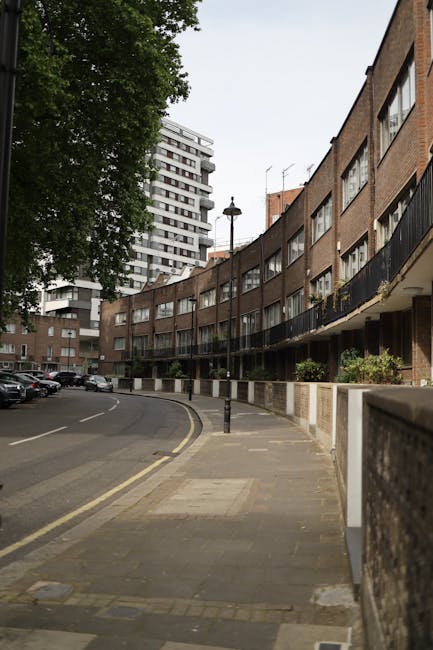
Marylebone flats are not like suburban houses with a drive and a tidy patch of kerb space. Space is tight, access can be limited, and in many buildings there are neighbours, concierge teams, estate rules, and sometimes listed or conservation-area sensitivities to think about. That changes the game quite a bit.
A skip might work on paper, but in practice it can create more problems than it solves. You may need a permit, a suitable parking bay, agreement from the estate or managing agent, and somewhere safe for the skip lorry to place and collect it. If the waste is only a few bulky items, the whole thing can feel a bit like using a wheelbarrow to move a sofa. Not impossible, just clumsy.
That is where skip alternatives become useful. They can reduce disruption, suit smaller loads, and avoid the visual clutter that can be unpopular in elegant central London streets. They also let you handle different waste types more intelligently. For example, builders' rubble needs a different approach from old furniture, and a flat clearance is not the same as a quick declutter before new tenants arrive.
If you want to understand the broader local context around property and life in the area, our guides on property purchasing in Marylebone and what it feels like to live in Marylebone give a useful sense of how homes, buildings, and daily logistics here often shape practical decisions.
Expert summary: In central London flats, the best waste solution is usually the one that fits the building, the load size, and the level of disruption you can realistically tolerate. The cheapest-looking option is not always the simplest one.
How Portman Estate skip alternatives for Marylebone flats Works
At a simple level, skip alternatives replace the need for a large on-street container with a more flexible collection method. Instead of waiting for a skip to be dropped and collected, waste is usually removed by a team, a smaller vehicle, or through a planned collection service timed around your building access.
In Marylebone, that often means one of four approaches:
- Man-and-van style waste collection for quick removal of mixed items
- House clearance services for larger flat clear-outs
- Specialist disposal services for furniture, builders' waste, or rubble
- Scheduled bulk collections where timing and access matter more than volume
These alternatives are especially practical where stairs are narrow, lifts are small, or residents prefer minimal impact in communal areas. The waste is usually loaded directly from inside the property or from a pre-agreed pickup point. In many cases, the process is quicker than arranging a skip, and there is less risk of blocking the street or annoying half the block.
There is also a subtle but important difference in how the load is handled. With a skip, everything often goes into one container and sits there. With a professional collection, items can be sorted more carefully for reuse, recycling, or disposal. That can be useful if you are trying to remove furniture, packaging, or renovation debris in a more responsible way.
For background on how the service side works across the area, it may help to read the services overview and the page on waste collection in Marylebone.
Key Benefits and Practical Advantages
There are good reasons residents choose skip alternatives rather than forcing a traditional skip into a setting that is not really designed for it. Some are obvious, others only become clear once you have tried both.
- Less disruption: No large skip sitting outside for days, no eyesore, and fewer issues with neighbours or passers-by.
- Better for tight access: A small vehicle or removal team is usually easier to manage on Marylebone streets and in period buildings.
- More flexible timing: Collections can often be arranged around concierge hours, lift access, or tenant move-outs.
- Useful for mixed waste: Furniture, bric-a-brac, builders' debris, and bagged waste can often be dealt with in one visit.
- Potentially better recycling outcomes: Items may be separated more efficiently than if everything is tipped into a skip together.
- Reduced permit hassle: Depending on the approach, you may avoid the administrative faff of arranging a skip permit or street placement.
There is also a lifestyle benefit that people sometimes overlook. Living in Marylebone often means juggling work, deliveries, guests, and limited storage. A tidy removal process saves mental energy. And honestly, that counts for a lot. You do not want waste logistics hanging over your weekend for three days because the skip arrived late and your neighbour could not park.
If sustainability matters to you, have a look at our recycling and sustainability page. It gives a better sense of how responsible disposal can fit into a compact city routine without becoming a production.
Who This Is For and When It Makes Sense
Skip alternatives are not for everybody, and that is fine. But they make excellent sense in a few common situations.
1. Flat owners clearing out after a move
If you are moving out of a Portman Estate flat or preparing one for sale or let, you may need to remove a surprising amount of stuff quickly. Old bed frames, broken chairs, packed loft boxes, and the inevitable "we'll sort that later" pile. A flexible removal service is often easier than staging a skip outside the building.
For anyone buying or selling locally, the articles on making smart moves when buying Marylebone real estate and property purchasing in Marylebone are useful context, especially if you are trying to get a flat ready for handover.
2. Landlords and managing agents
End-of-tenancy clearances can be awkward. A tenant may leave a mixture of rubbish, furniture, and items that still need sorting. An alternative to a skip can be faster and less disruptive to the building. It also makes it easier to deal with collections in stages if access is limited.
3. Renovators and decorators
Small refurbishments often produce more waste than people expect: packaging, broken fixtures, old kitchen parts, offcuts, and plasterboard or rubble. For this kind of job, it can make sense to use builders' waste disposal in Marylebone rather than trying to squeeze everything into a skip-sized assumption that does not match the property.
4. Anyone in a building with strict access rules
Some estate-managed blocks have specific requirements about loading bays, visitor access, lift protection, and time windows. If a skip would trigger too many questions, a collection service can often be the calmer route. Less noise. Less fuss. More likely to be approved.
5. People clearing single large items
Sometimes the issue is not volume, but one awkward object: a wardrobe, a sofa, or a heavy table that has been there since before the mobile signal was reliable. In those cases, a focused service like furniture disposal in Marylebone is usually the neatest answer.
Step-by-Step Guidance
If you are weighing up your options, this is the most practical way to approach it. No drama, just a clear sequence that helps you avoid expensive guesswork.
- Identify what needs removing. Separate furniture, general household waste, building debris, and anything hazardous or specialist.
- Estimate the volume honestly. Not "a couple of bags" if it is really half a flat. A rough room-by-room list helps.
- Check building rules. Ask the managing agent, concierge, or estate office whether there are loading restrictions, lift protection requirements, or permitted access hours.
- Decide whether a skip is actually necessary. If the load is modest, a direct collection may be simpler and cheaper overall.
- Choose the right service type. Furniture removal, house clearance, rubble removal, or general waste collection are not interchangeable.
- Prepare the items. Break down what you can, bag loose waste, and keep reusable items separate if you want them handled differently.
- Book a realistic time slot. Consider traffic, school runs, concierge hours, and lift access. Central London timing matters more than people expect.
- Confirm what happens to the waste. Ask whether recyclable items are separated, and whether the provider can explain disposal routes clearly.
There is a quiet little advantage in doing this properly: you reduce the chance of a "we need another trip" situation, which is never fun. A well-planned collection usually feels almost boring. That is a compliment, by the way. Boring is excellent when waste is involved.
Expert Tips for Better Results
After enough flat clearances and awkward access jobs, a few things become obvious. They are not flashy tips, but they save time and hassle.
- Photograph the waste before booking. Pictures help providers understand access and load type much faster than a vague description.
- Use one staging area. Put everything in a single room or corner if possible. It speeds up the collection and protects communal areas.
- Separate reuse from disposal. Good-condition furniture or household items may be handled differently from broken waste.
- Keep hallways clear. In older Marylebone buildings, stairs and corridors can be narrow. A tidy route matters.
- Ask about recycling streams. Mixed waste can sometimes be sorted more effectively if you mention what you have in advance.
- Plan around building rhythms. Mid-morning can be better than rush hour. So can a quieter day in the block.
One small thing people often miss: if you are clearing after builders, check for rubble, tile fragments, and dusty material separately. It behaves differently in handling and disposal. Our guide to rubble disposal solutions explains why this matters more than it seems at first glance.
And yes, a bit of tape on doors and corners can save a world of pain. It is not glamorous, but neither is a chipped banister.

Common Mistakes to Avoid
Most problems with skip alternatives come from mismatched expectations. Not disaster-level problems. More like avoidable friction that turns a simple job into a long morning.
- Assuming every waste type can go together. Builders' waste, furniture, and electrical items may need different handling.
- Forgetting about access constraints. A collection team still needs to reach the property safely. Lift size, stair width, and parking all matter.
- Leaving booking too late. Same-day is sometimes possible, but not always. Don't bank on it if your move-out deadline is fixed.
- Underestimating the volume. A flat can produce more waste than you think, especially during refurbishments or end-of-tenancy clearances.
- Not checking what is excluded. Hazardous items and certain electricals may need special treatment.
- Choosing the cheapest option without checking service scope. A low headline price is less useful if it excludes the actual items you need removed.
Truth be told, the most common mistake is simply not asking enough questions. One short call can prevent a lot of confusion later. No one wants to find out, at the front door, that the wardrobe was too big or the rubble was quoted separately. Been there, seen that, not ideal.
Tools, Resources and Recommendations
You do not need specialist equipment for a typical flat clearance, but a few simple tools make the process smoother.
- Heavy-duty bin bags for loose general waste and soft items
- Labels or masking tape to mark items for reuse, disposal, or relocation
- Basic hand tools for taking apart beds, shelves, or flat-pack furniture
- Protective gloves if you are sorting through dusty or sharp items
- Furniture blankets or corner protectors when moving bulky pieces through communal areas
- Phone photos and measurements to help with quoting and access checks
For a better sense of what the service range looks like, it can help to browse the main service overview, the dedicated house clearance Marylebone page, and the office clearance page if you are dealing with a mixed residential or work-from-home setup.
If you want to understand pricing and how quotes are usually structured, the pricing and quotes page is the right place to start. It is always better to ask early than to discover a detail at the wrong moment.
Law, Compliance, Standards, or Best Practice
Waste handling in the UK is not something to be casual about, especially in a central London setting. You do not need to become an expert overnight, but there are a few sensible standards to keep in mind.
First, only use a provider who can explain how waste is collected, handled, and transferred responsibly. In practical terms, that usually means checking that the company operates in line with normal UK waste duty-of-care expectations and can describe where the waste goes. If someone is vague about that, be cautious.
Second, estate rules matter. Portman Estate properties may have their own building-specific access expectations, and the managing agent or concierge may ask for notice before a collection. That is not unusual. It just means planning ahead.
Third, safety is not optional. Heavy lifting, stair carrying, and loading on narrow streets all carry risk. A reputable provider should treat that seriously. If you want a broader sense of how safety and service standards are approached, the insurance and safety page is worth reading.
Finally, if your waste includes builders' debris, be careful with mixed loads. Some materials are reusable or recyclable, while others need separate handling. That is especially true for plasterboard, rubble, and anything with sharp edges or dust. A little care here prevents a lot of mess later.
Best practice, in plain English: know what you have, know where it can go, and make sure the building is not left dealing with avoidable disruption. Simple enough, but it makes all the difference.
Options, Methods, or Comparison Table
Here is a straightforward comparison of the main alternatives to a skip for Marylebone flats. The best choice depends on access, waste type, and how quickly you need the job done.
| Option | Best for | Strengths | Limitations |
|---|---|---|---|
| Man-and-van waste collection | Small to medium mixed loads | Fast, flexible, minimal disruption | Not ideal for very large construction volumes |
| House clearance | Full flat clear-outs, moves, end-of-tenancy jobs | Comprehensive, efficient, suited to furniture and mixed items | Usually more involved than a simple collection |
| Furniture disposal | Sofas, beds, wardrobes, tables | Ideal for bulky items, often quicker than a skip | Less suitable if you also have heavy rubble or mixed debris |
| Builders' waste disposal | Renovation debris, rubble, light construction waste | Better for project waste, can be tailored to access | May need more detail about the material mix |
| Traditional skip | Large, stationary waste volumes where access is easy | Simple concept, useful on suitable sites | Can be disruptive, permit-heavy, and awkward in flat settings |
For most Portman Estate flats, the shortlist usually comes down to a collection service rather than an on-street skip. That is not because skips are bad. They are just often the wrong tool for the job.
Case Study or Real-World Example
Imagine a two-bedroom flat near a busy Marylebone street. The owner is preparing it for new tenants after a refresh. There are two wardrobes, a disassembled bed, a broken office chair, several bags of general waste, some packaging from new fixtures, and a box of rubble left after a bathroom update.
A skip might technically handle the lot, but the building has a narrow access route and limited loading tolerance. The estate office also wants advance notice for any large outside container. The cleaner route is a planned collection.
In a situation like this, the waste is often split into sensible categories:
- Furniture goes through a furniture disposal service
- Rubble and renovation debris are handled through builders' waste disposal
- Loose mixed items are removed through general waste collection
The benefit is not just convenience. It is control. The team can work around access, the stairwell stays clear, and the building does not have a skip sitting there looking like a temporary construction site. The flat is ready sooner, which, let's face it, is often the real goal.
If you are curious about the local character of the area while dealing with practical flat matters, our piece on lesser-known Marylebone sights beyond Baker Street offers a lighter look at the neighbourhood. A small break from the logistics never hurts.
Practical Checklist
Use this before you book anything. It keeps the process tidy and avoids those annoying last-minute surprises.
- List every item or waste type you need removed
- Measure large furniture or debris if access is tight
- Check Portman Estate or building rules for collections
- Confirm lift access, stair width, and any loading restrictions
- Decide whether the waste is general, furniture, or builders' waste
- Separate reusable items from disposal items
- Bag loose waste securely and label anything special
- Ask how recycling and disposal are handled
- Get a quote based on accurate information
- Book a time that fits your building and your day, not just the calendar
If your clearance is part of a bigger flat improvement project, you may also find it useful to read about smart real estate decisions in Marylebone. The same planning mindset applies here, just with more dust.
Conclusion
For many Marylebone residents, especially those living in Portman Estate flats, skip alternatives are not a backup plan. They are the better plan. They fit the building, reduce disruption, and make it easier to deal with waste in a controlled, efficient, and less stressful way.
Whether you are removing furniture, clearing a flat after a move, or handling builders' debris, the key is to match the method to the job. Keep access, waste type, and building expectations in mind, and you will usually land on a cleaner solution than a traditional skip.
Get a free quote today and see how much you can save.
And if you are still weighing it up, that is fine too. A good waste plan should feel like one less thing on your plate, not another one.
For more about the company behind these services, you can also visit the about us page.
 Tipper Van - Rubbish Clearance and Waste Collection Prices in Marylebone, W1
 Luton Van - Rubbish Clearance and Waste Collection Prices in Marylebone, W1


