What to do about fly-tipping outside Marylebone shops
Posted on 18/06/2026
Fly-tipping outside a shop in Marylebone can turn a tidy frontage into a problem within minutes. One black bag becomes three, a broken chair appears by the kerb, and before long the pavement looks neglected and harder to pass. If you are a shop owner, manager, landlord, or nearby resident, knowing what to do about fly-tipping outside Marylebone shops helps you act quickly, avoid unnecessary risk, and keep the area feeling welcoming.
The good news is that you do not need a complicated plan. You need the right sequence: make the area safe, document what is there, notify the right people, and arrange lawful clearance without making the mess worse. In this guide, we'll walk through the practical steps, common mistakes, local considerations, and the kind of response that protects both your business reputation and the street scene. To be fair, when rubbish is sitting outside a storefront, every hour feels longer than it should.
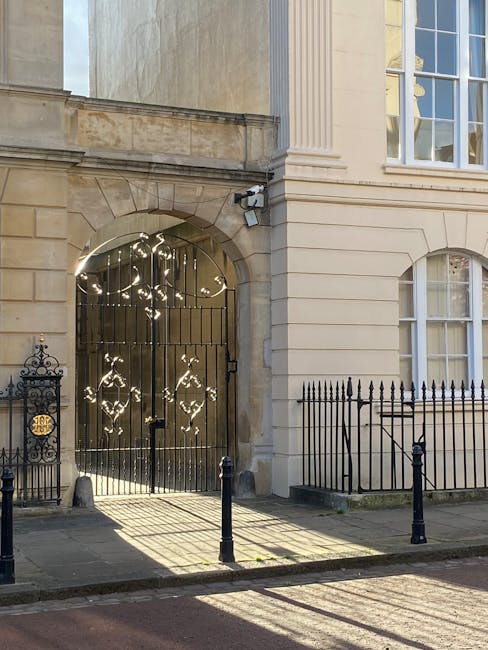
Why fly-tipping outside Marylebone shops matters
Fly-tipping is not just an eyesore. Outside a shop, it can affect footfall, accessibility, hygiene, and the way people feel about the whole street. If a pavement is blocked by dumped furniture, bags of mixed waste, or builder's rubble, customers may simply keep walking. A neat window display can do a lot, but it struggles against a pile of mattresses and broken shelves by the entrance.
In Marylebone, where many streets depend on a strong mix of independent shops, hospitality, offices, and local residents, the impact is especially noticeable. A small spill of waste can create a bigger perception issue than the physical mess itself. People notice if a street feels unmanaged. They also notice when it feels looked after.
There is another side to it too: health and safety. Loose glass, nails, sharp metal, and damp waste can create hazards for staff, delivery drivers, and pedestrians. If waste is left long enough, it can attract more dumping. One item becomes a magnet for another. That is how these situations snowball, usually at the worst possible moment, like Friday morning before the shutters go up.
For businesses considering wider local resilience, it can be useful to think about the area as a lived-in neighbourhood rather than just a trading strip. Articles such as Marylebone as a home: insights from locals and beyond Baker Street: uncovering the lesser-known sights of Marylebone give a feel for why street quality matters so much here.
How fly-tipping outside Marylebone shops works
There is no single pattern. Fly-tipped waste may be left by a passing driver, a local business cutting corners, a tenant leaving items after a move, or someone using a quiet street as a drop point. Sometimes it is obviously commercial waste. Sometimes it looks personal, like an old sofa or a few sacks left beside a communal bin. And sometimes, frankly, it's a bit of both.
The immediate challenge is that once the waste is on the pavement, the shop is left dealing with the consequences. Staff may not know whether they are allowed to move it, whether it belongs to them, or whether it contains anything hazardous. That uncertainty slows things down, and the delay makes the situation look worse.
A sensible response usually follows this order:
- Assess the risk to people and access.
- Record what has been dumped without disturbing it unnecessarily.
- Inform the relevant property manager, landlord, or local authority route where appropriate.
- Arrange professional clearance if the waste is blocking access, unsightly, or unsafe.
- Review how the site can be made less attractive for repeat dumping.
That last step is often missed. Clearing the waste is only half the job. If the same spot stays easy to access, hidden from view, or cluttered with bins and loose packaging, it may keep happening. Sadly, fly-tipping is opportunistic. It likes convenience.
If the waste includes bulky items, furniture, or mixed materials, a specialist clearance approach is often more efficient than trying to manage it piecemeal. For example, a shop fit-out or stockroom clear-out can produce awkward items that are better handled through structured waste removal rather than ad hoc lifting. You can see related guidance in bulky furniture disposal options in Marylebone today and Baker Street bulky waste removal services in Marylebone.
Key benefits and practical advantages
Responding quickly to fly-tipping outside a Marylebone shop has benefits that go beyond simply making the frontage look better. It can protect trading, reduce friction with neighbours, and stop a small incident from becoming a bigger one.
- Better first impressions: customers are more likely to enter a clean, orderly shopfront.
- Lower safety risk: fewer sharp edges, obstructions, and trip hazards.
- Less repeat dumping: quick action can prevent the "abandoned waste invites more waste" effect.
- Less staff stress: your team can focus on service instead of trying to improvise with gloves and bin bags.
- Cleaner compliance record: using proper disposal routes helps avoid accidental mishandling of waste.
- More predictable costs: planned removal is usually easier to budget for than an emergency scramble.
There is also a reputational advantage that is easy to underestimate. A tidy frontage tells people that somebody is paying attention. That matters on streets where shoppers browse, compare, and remember what they saw. Nobody wants to be the shop next to the pile.
For some premises, especially where storage is tight, the right waste process also links to wider operational efficiency. If you are already dealing with stockroom clutter, office overflow, or post-refurbishment debris, it can make sense to combine clear-outs. Services and sector-specific guidance such as same-day rubbish collection near Marylebone Station and Portman Estate skip alternatives for Marylebone flats are useful examples of how fast, space-aware removal can solve awkward waste problems.
Who this is for and when it makes sense
This topic is relevant to more people than you might expect. Not just shop owners, either.
- Independent shop owners who need their frontage to stay clean and welcoming.
- Retail managers dealing with day-to-day waste, deliveries, and customer access.
- Landlords and managing agents responsible for shared pavements, bin areas, or building access.
- Nearby residents who want to report, document, or help prevent repeat dumping.
- Cafes and hospitality venues that rely on outdoor presentation and hygiene.
- Office occupiers where waste from fit-outs, furniture, or archived items can end up outside by mistake or neglect.
It makes sense to act at the first sign of a pattern. One abandoned bag may be an accident. A sofa, broken cabinet, and half-filled sacks left together outside a shop after dark? That is more likely to need prompt intervention. If you wait, the problem usually becomes more awkward, not less.
Truth be told, the "right time" is often the moment you think, "We should deal with this before opening." That instinct is usually correct.
Step-by-step guidance
Here is a practical sequence you can follow without overthinking it.
1. Make the area safe first
If the waste is blocking a doorway, fire exit, pavement access, or delivery path, treat it as a safety issue before it becomes a paperwork issue. Keep staff and customers away from anything sharp, unstable, or potentially contaminated. If there is broken glass, needles, chemicals, or unknown fluids, do not move it casually.
2. Take clear photos
Photograph the waste from a few angles. Include the surrounding street scene, any visible labels, and anything that shows scale. If possible, note the time and date. This helps with reporting and creates a record if the issue repeats. No drama, no close-up heroics. Just clear evidence.
3. Check whether the waste is yours
That sounds obvious, but in shared courtyards or mixed-use buildings, people sometimes assume the shop is responsible when the waste actually belongs to another occupier, contractor, or neighbouring property. If there is any doubt, ask the landlord, managing agent, or building supervisor before accepting blame or moving forward on cost.
4. Report to the appropriate route
If the dumping is clearly on public land, there is usually a local reporting route through the relevant authority. If it is on private forecourt space or within a managed estate, the landlord or agent may need to coordinate removal. The key is not to let the waste sit while everyone argues over ownership. Arguments do not clear pavements. Annoying, but true.
5. Arrange removal with lawful handling
Use a waste carrier or clearance provider that can remove the material properly and separate recyclable items where practical. If you are dealing with mixed waste, bulky items, or material from a shop refurbishment, ask for a service that can handle the lot in one visit. That is often easier than trying to split the job into three half-solutions.
For many businesses, structured removal is more efficient than repeated small trips. If your issue has spilled into stockroom clutter or office overflow too, the broader services around office clearance in Marylebone or house clearance in Marylebone can also help you think in terms of one proper clean-up rather than endless little fixes.
6. Tighten the site after clearance
Once the waste is gone, look for what made that location attractive. Is there a hidden recess? A dark corner beside a shutter? Overfilled bins? Poor lighting? Loose packaging left out overnight? Small changes, like better bin discipline or moving stored items indoors, can make a big difference.
7. Keep a simple incident log
A short log of date, time, location, waste type, and action taken is very useful. If fly-tipping becomes a pattern, you will have a clearer picture of when it happens and what it looks like. That is helpful for building management and for any future reporting.
Expert tips for better results
Here are the practical bits that often save time later.
- Don't touch suspicious waste bare-handed. Gloves are good, but they are not magic. If something looks unsafe, treat it that way.
- Clear quickly, but not carelessly. Fast action is useful; rushed handling is not.
- Separate what can be recycled. Cardboard, clean metal, and some timber can often be dealt with more efficiently when sorted.
- Use the moment to improve the frontage. A clean bin store, better lighting, or a tidier service area can reduce repeat problems.
- Communicate with neighbouring occupiers. A quiet note to nearby businesses can help if the dumping pattern is shared.
- Be consistent. One-off fixes are fine. Repeatable routines are better.
In our experience, the shops that handle this best are not the ones with the most resources. They are the ones that decide, early, that "we are not leaving this to chance." That mindset matters.
If the waste includes awkward bulky pieces, mattress materials, or construction rubble, it may be worth looking at related practical guidance such as urgent mattress disposal in W1U: fast local options and rubble disposal solutions. They show how different waste streams call for different handling, which sounds fussy until you are the one lifting it.

Common mistakes to avoid
Some mistakes are small but costly. Others just make the mess last longer.
- Leaving it to "see if someone else deals with it." That usually means nobody does.
- Moving unknown waste without checking risk. You do not want a cut, spill, or contamination issue.
- Assuming all rubbish is the same. Mixed waste, furniture, and construction debris need different handling.
- Using informal disposal help. If the waste ends up being dumped elsewhere, the responsibility can come back to haunt you.
- Not documenting the incident. Without photos or notes, repeat dumping is harder to prove.
- Ignoring the layout problem. If the spot stays dark, sheltered, or hidden, the issue may repeat.
One surprisingly common mistake is trying to solve a recurring fly-tipping issue with the same approach that failed the first time. Bit of a trap, that. If one approach does not work, change the site conditions, not just the mood.
Tools, resources and recommendations
You do not need fancy equipment, but a few basics help a lot.
- PPE: sturdy gloves, closed shoes, and, if needed, a face covering for dusty waste.
- Phone camera: for photos, timestamps, and quick reporting.
- Simple incident log: paper or digital, as long as it is maintained.
- Wheelie bins or enclosed storage: helps reduce loose bag exposure.
- Good lighting: especially for rear access points and side alleys.
- Clear signage: can discourage casual dumping, though it is not a cure-all.
It also helps to understand what local waste support can and cannot do. A standard clearance visit is usually best for general rubbish, bulky goods, and mixed refuse. More specialised needs may call for dedicated handling, such as builders waste disposal in Marylebone if the dumped material includes renovation debris, or furniture disposal in Marylebone if the items are mainly bulky domestic or retail furnishings.
If you are comparing options or trying to understand pricing, the article confused by removal quotes? Marylebone pricing explained is useful background. It can help you ask better questions before you book anything.
Law, compliance and best practice
Fly-tipping is a legal issue, and so is waste handling. You do not need to become a legal specialist, but you do need to act carefully. In the UK, businesses have a general responsibility to dispose of waste properly and to use legitimate waste carriers for removal. If you commission waste removal, you should be satisfied that the contractor is operating lawfully and that the waste will be handled appropriately.
Best practice also means avoiding assumptions. Do not assume the person who dumped the waste is easy to identify. Do not assume a bag on your doorstep is now your problem just because it is outside your premises. And do not assume a quick hidden move to a rear alley counts as "dealing with it." It doesn't.
For shopfronts in Marylebone, compliance is also practical. A clear pavement, safe access, and tidy storage reduce complaints and lower the chance of repeat incidents. If your premises are in a managed estate or conservation-sensitive street, coordination may matter as much as removal speed. That is one reason why a clean handover after any clearance is worth taking seriously.
Where waste is potentially hazardous, contaminated, or related to a business fit-out, it is sensible to use services and processes that emphasise safety and responsible handling. Information such as insurance and safety, recycling and sustainability, and about us can help set expectations about standards and working practices.
Options, methods and comparison table
There are a few common ways to handle fly-tipped waste outside shops. The right choice depends on size, urgency, and whether the area is public or private.
| Option | Best for | Pros | Watch-outs |
|---|---|---|---|
| Immediate internal response | Small, safe amounts near a managed frontage | Fast, low cost, good for light litter | Not suitable for hazardous, bulky, or unknown waste |
| Property manager / landlord coordination | Shared entrances, estates, private forecourts | Clarifies responsibility and access | Can be slower if approval is needed |
| Local authority reporting route | Dumping on public land or pavement areas | Creates a formal record | Response timing may vary |
| Professional clearance service | Bulky, mixed, awkward, or urgent waste | Efficient, lawful, less staff disruption | Costs can vary by volume and access |
As a rule of thumb, the more mixed, heavy, or awkward the waste is, the more sensible professional clearance becomes. If you are dealing with recurring issues, that usually wins out over piecemeal reactions. Not glamorous, but effective.
Case study or real-world example
Picture a small independent shop near a busy Marylebone side street. On a Tuesday morning, staff arrive to find two torn bin bags, a broken shelf unit, and a few flattened cardboard boxes left beside the front wall. The bags have spilled across the paving, and a delivery person now has to step around the mess. It is not a catastrophe, but it is enough to change the feel of the whole frontage.
The team does three things straight away. First, they stop anyone from stepping into the debris and move a sandwich board away from the edge of the spill. Second, they take photos and check whether the waste could belong to their own stockroom or a neighbour's shared access area. Third, they contact the building manager while arranging proper removal of what turns out to be mixed retail waste, including one heavy item that nobody wants to wrestle with before opening.
After clearance, they change two habits: loose cardboard is no longer left out overnight, and the rear access gate is kept shut after deliveries. A small light is added to the service side as well. None of that is fancy. But it reduces the chances of the same spot being used again. That is the real lesson, honestly. Fix the pattern, not just the pile.
Practical checklist
Use this quick checklist when fly-tipping appears outside a Marylebone shop.
- Check for immediate danger to staff or customers.
- Keep people away from sharp, wet, or suspicious items.
- Take clear photos from several angles.
- Note the time, date, and exact location.
- Identify whether the waste is on private or public land.
- Speak to the landlord, managing agent, or nearby occupiers if relevant.
- Arrange lawful removal for bulky or mixed waste.
- Keep records of what was removed and when.
- Review the frontage, lighting, storage, and bin setup.
- Adjust the site so it is less attractive for repeat dumping.
If you can do those ten things without delay, you are already ahead of the chaos. Simple, but not always easy when the shop is meant to be opening in ten minutes.
Conclusion
What to do about fly-tipping outside Marylebone shops comes down to calm, practical action. Make the area safe, document the problem, involve the right people, and remove the waste properly. Then look one step further and reduce the chance of it happening again. That second part matters just as much.
In a place like Marylebone, where the street environment shapes how people feel about shopping, dining, living, and working locally, clean pavements are not a luxury. They are part of the experience. And when a problem does crop up, a quick, lawful, organised response keeps a bad moment from becoming a long-term nuisance.
If you are dealing with bulky waste, repeat dumping, or a frontage that needs prompt attention, it is usually better to act now than wait for the issue to get bigger.
Get a free quote today and see how much you can save.
 Tipper Van - Rubbish Clearance and Waste Collection Prices in Marylebone, W1
 Luton Van - Rubbish Clearance and Waste Collection Prices in Marylebone, W1


